MEDIA


We are now open for the 2026 Season!
We can help you find the best lodging, cabins, and camping in the heart of Grand Teton National Park, allowing you to experience both Grand Teton and Yellowstone with comfort and ease! Each unique location offers a variety of services, amenities and activities to make your visit complete. From the rustic luxury of Jenny Lake Lodge and the historic, full-service amenities of Jackson Lake Lodge, to camping and cabins at Colter Bay Village and Headwaters at Flagg Ranch, you'll find your home away from home in this special place.
Our facilities operate seasonally from mid-May through early-October each year.
Lodging reservations are available on a 12-month rolling basis and can be booked online or by calling 307-543-3100.
Camping is by reservation only and can be booked on a six-month rolling basis at Recreation.gov.
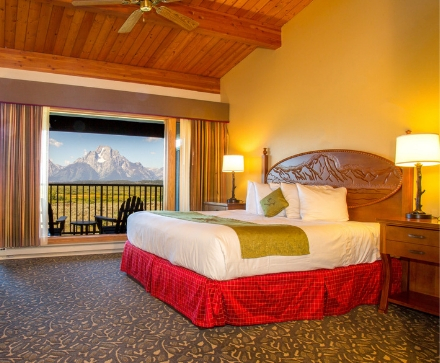
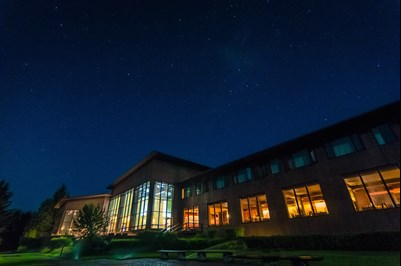 Jackson Lake Lodge sits in the heart of Grand Teton and on a bluff overlooking Jackson Lake, Willow Flats, and the Teton Mountain Range. The lodge features stunning 60 ft. tall windows framing the mountains, restaurants, shops, an outdoor pool, and a variety of activities.
Best for: Anyone who wants a central location, a variety of onsite amenities, and modern style accommodations.
Season: Mid-May to Early-October
Check Availability Get Details
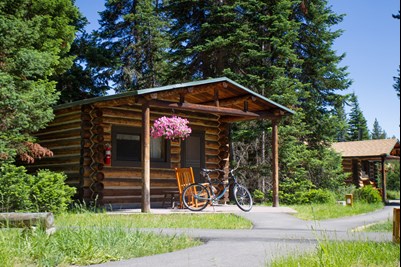
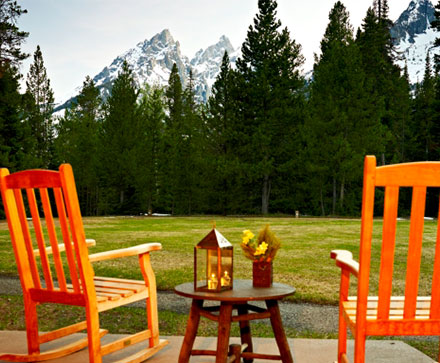
Jenny Lake Lodge is our rustically elegant AAA 4-Diamond property. Our Signature Stay Package includes a nightly five-course dinner, gourmet breakfast, daily horseback riding, and use of our cruiser style bicycles.
Best for: Couples, families, or friends seeking an elegant and secluded national park experience
Season: June 1 - Early October
Check Availability Get Details
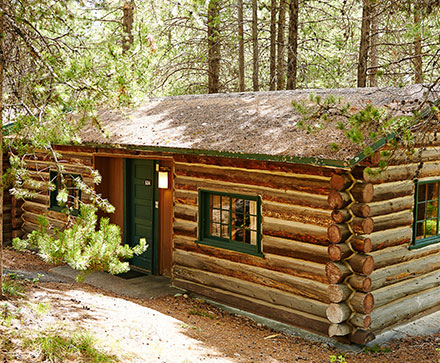
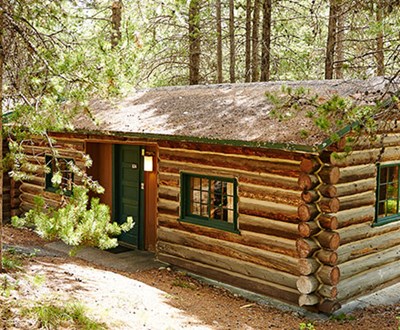 Colter Bay Village has authentic homestead log cabins, tent cabins, campsites, and an RV park. Within walking distance of your accommodation you'll find Jackson Lake, horseback riding, boat rentals, lake cruises, hiking trails, picnic areas, ranger programs, and a variety of onsite services.
Best for: Families and friends looking for a true mountain experience and a wide variety of outdoor activities and/or those looking for budget friendly accommodations
Season: Late-May to Late-September or Early-October
Check Availability Get Details
HEADWATERS LODGE & CABINS AT FLAGG RANCH
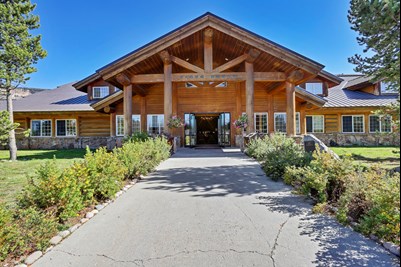
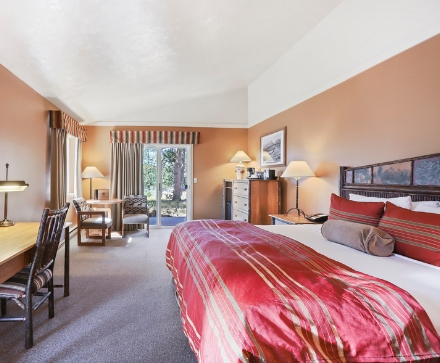
Headwaters Lodge and Cabins is located only a few miles from the entrance to both Grand Teton and Yellowstone parks. Headwaters offers modern style cabins, tent sites, full hook-up RV sites, and camper cabins. The main lodge features a restaurant, gift shop, convenience store, horseback riding, hiking, and fly fishing.
Best for: Those looking to visit both national parks while staying in one central location.
Season: Early-June to Late-September
Check Availability Get Details
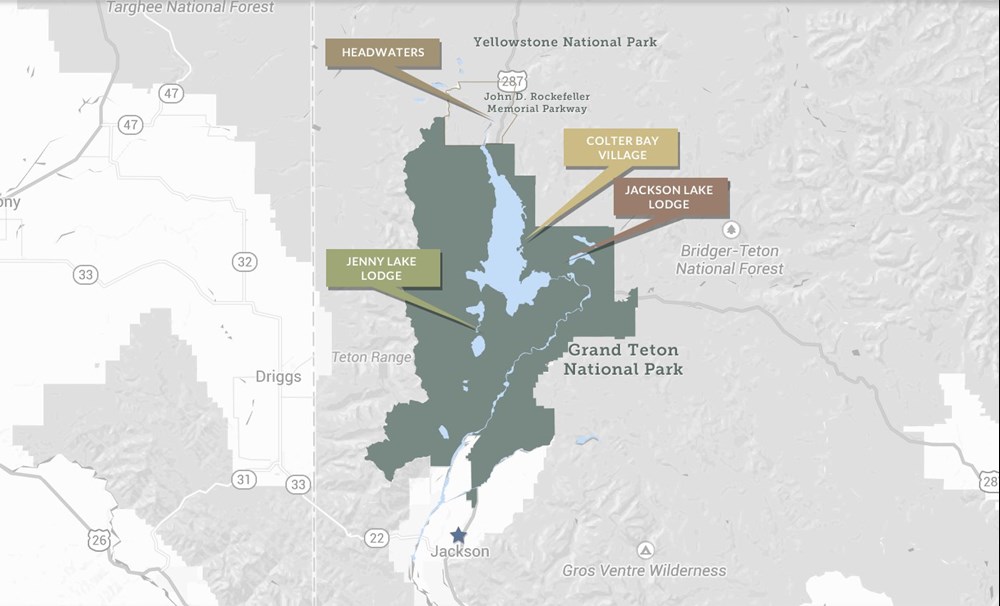
Use our handy comparison table to find out which Lodging Area is right for you!